A Late-Autumn Garden Visit, at a Gentle Pace
A late-autumn garden visit feels richer when you notice seed heads, evergreen forms, and shifting light without turning the day into a hurried tour.
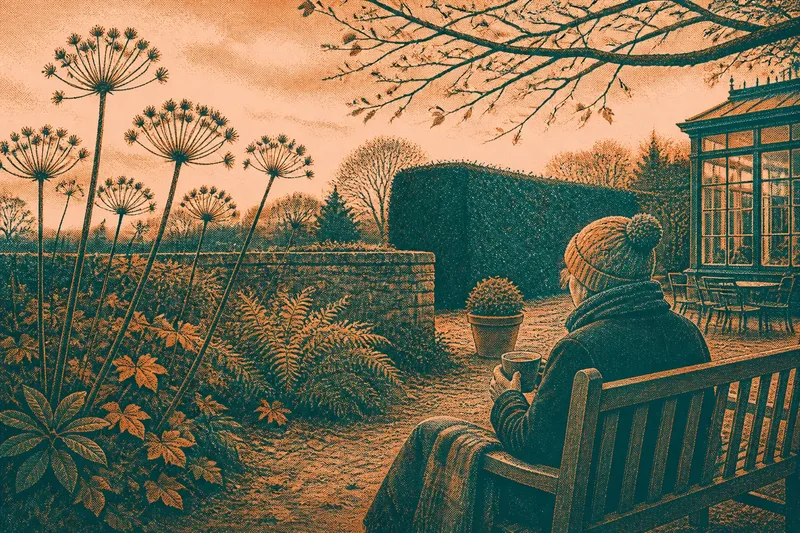
What can you enjoy on a late-autumn garden visit when the flowers have gone? Start with the seed heads, evergreen forms, and small signs of the season that are easy to miss on a hurried tour. You can make the visit feel complete without trying to see every border or building.
Seasonal details
Seed heads keep their shape after petals have disappeared. Upright stems stand out against a low sky, while rounded heads may hold rain or a trace of frost. Look without handling them: some are brittle, and others have been left standing for wildlife.
Evergreens give the garden a different kind of interest. A clipped yew hedge or holly can make a strong outline; ivy, ferns, and broad-leaved shrubs bring softer shapes among the fallen leaves. You need not identify each plant to notice how its form changes the scene.
Look for contrasts rather than a list of names: dark foliage against pale stone, a neat hedge beside an untidy border, or a bare branch crossing a bright patch of sky. These are details you can enjoy from wherever you are standing, without treating the garden as a route to complete.
Light and weather
Late-autumn light can shift the character of a garden during a visit. Drizzle darkens bark and stone; a clearing sky may bring out the texture of a seed head or the color of a leaf. A sheltered spot near a wall, conservatory, or café can offer a pleasant pause while you watch the light change.
Dress for time outdoors and check the forecast before setting off. If rain becomes persistent or you feel cold, shorten the visit or use an indoor display or café if one is open. The weather does not need to become the main attraction.
A small focus
Choosing one detail can give the visit a natural thread without turning it into a scavenger hunt. Notice a cluster of seed heads, the shape of an evergreen, or the way a bare branch frames a view. Stay with it for a while, then let your attention move on when it does.
Say you arrive with time before the garden café closes and spot dried allium heads beside a border. You pause to compare their silhouettes with the dark hedge behind them, then choose a nearby sheltered seat and return to the café before it shuts. The result is a focused outing with a warm stop, rather than a rushed attempt to cover the grounds.
Comfort and access
Check the garden’s website or call ahead if you need step-free access, seating, or a particular facility. Staff can tell you about closures and current conditions. On arrival, follow posted directions and choose activities that suit the weather and your comfort.
- If the garden’s access information lists a step-free entrance, use it; if not, call ahead to ask about an alternative or choose another entrance.
- If a bench looks dry and feels comfortable, pause there; if it is damp or exposed, try a sheltered seat or the café instead.
- If a plant display is roped off, admire it from the marked area; if the sign directs visitors elsewhere, follow that instruction.
- If rain is light and you feel comfortable outdoors, continue at an easy pace; if you are getting cold or the rain persists, shorten the visit and seek shelter.
- If an indoor display is open, use it as a weather break; if it is closed, ask staff about another sheltered area or head back.
- If you want to remember a detail, take a quick phone photo from a permitted spot; if photography is restricted or distracts you, leave the phone away and look instead.
Late-autumn garden visit questions?
Are seed heads worth a closer look?
Yes, especially when their outlines stand against a hedge, wall, or open sky. Notice their shape and texture without touching plants that may be fragile or left for wildlife.
Should you bring a camera?
Bring one if it helps you notice details, but check the garden’s photography rules. A phone can record a plant or view to look up later, though it is entirely optional.
How long should the visit last?
Stay as long as the garden feels comfortable and interesting. A brief visit with a pause can feel complete; there is no need to cover every display.
A quiet return
On your way out, glance back at a detail you noticed earlier. A seed head may look different against a changing sky, or a hedge may now stand out as a shape rather than a background. That final look gives you something specific to carry home.
A late-autumn garden visit is easier to enjoy when you leave room for the conditions and your own comfort. If a favorite detail stays with you, note its name or location afterward; the garden’s map or staff may help you find it again on another visit.